
Robberies
Criminal Simulator robbery planning: which targets to hit, how to enter quietly, and how to turn a night into a clean escape.
Introduction
The robberies hub is about planning. Criminal Simulator gives you a city to rob at night, and the question that defines every run is simple: which target, how do you enter it quietly, and how do you turn the take into a clean escape before the deadline? The confirmed target ideas come from the game’s official art and the Alpha loop — homes with sleeping residents, a bank, and a museum all appear in the official presentation. This section compares those targets, explains entry angles and risk trade-offs, and gives you a decision framework instead of a rigid list, because Alpha builds keep changing the details.
What to Rob: Target Comparison
A quick look at the robbery targets seen in the game’s official art and the Alpha loop. Risk levels and details are community-reported — the full breakdown lives on the Robberies page.
Target Breakdown
Residential Home
The quiet break-in that teaches the loop
Bank
The big score with the biggest alarm
Museum
Valuable displays behind a public front
Core Mechanics
A robbery in Criminal Simulator is a three-act problem. The first act is the approach: reach the target after dark without drawing attention, using cover and quiet movement while residents sleep. The second act is the grab: get inside, take the most valuable loot you can carry, and avoid waking the building or tripping the alarm. The third act is the exit and sell: leave before anybody raises the alarm, reach the buyer, and cash out before the deadline. None of these acts are fixed numbers — the whole skill is weighing time, noise and risk, which is exactly why targets need planning rather than blind rushing.
Advantages
A planning-first approach to robberies turns the night from chaos into a routine. Choosing targets by risk instead of impulse means fewer failed runs, less wasted deadline time, and more consistent cash. Knowing an entry angle before you arrive saves the minutes that decide whether a haul reaches the buyer in time. Comparing targets also teaches you the pressure loop — the more you understand risk, the faster you improve. For crews, shared planning is even better: a squad that agrees on roles and exits before entering can hit medium and high risk targets that a solo player would never attempt.
Challenges
The confirmed target pool in Criminal Simulator is small during Alpha, and details about what each target contains are community-reported rather than officially published. Loot values, spawn behavior and alarm systems can all change between builds, so specific advice written for one version may not match the next. Bank and museum style targets carry high attention, and a failed attempt can cost more than the night — including lost loot and the time burned off the deadline. Plan, then re-plan after each update, and keep a short list of targets that worked for you instead of chasing whatever list a video recommends this week.
Frequently Asked Questions
What is the safest first target?+
What makes a robbery go wrong?+
Should I plan for crews of different sizes?+
Quick Tips
Pick the target you can actually finish. A robbery is only successful if the loot reaches the buyer before the deadline, so match the target to your crew size, your experience, and the time left in the night. A fast home job always beats a legendary museum attempt that misses the sell window.
Enter quietly and leave with intent. Quiet entry avoids waking residents, and a deliberate exit prevents the confusion that turns clean runs into chases. Walk the escape route in your head before grabbing, so the way out is a reflex instead of a panic decision under pressure. Even a two-second pause at the door, rehearsing where the patrol was the last time you looked, is enough to keep the night on your side.
Treat the alarm like a countdown. The moment the target reacts, the run enters its riskiest phase — every extra second inside multiplies the chance of police contact. If the goal slips out of reach, cut losses and get to the buyer with what you have. Keep a mental rule: when the alarm sounds, the building stops being a target and starts being a trap, and the only winning move is the fastest clean exit.
Featured
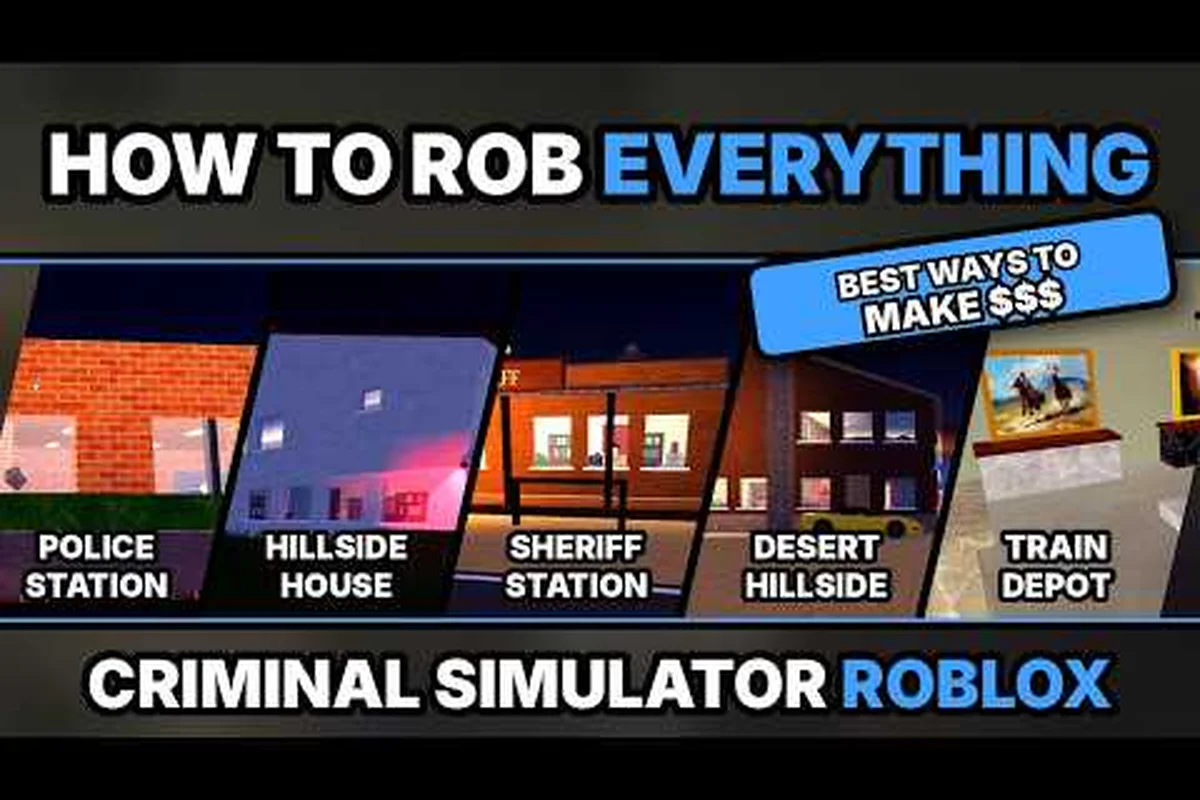
Criminal Simulator Biggest Scores: High-Value Houses Ranked
Compare criminal simulator biggest scores by identifying high-value houses, assessing residential loot, and choosing profitable targets worth the risk.

Criminal Simulator Night Heists: Profitable Targets and Routes
Compare criminal simulator night heists by target value, entry difficulty, loot potential, and escape pressure to plan a stronger city robbery.

Criminal Simulator Night Jobs: Robbery Breakdown
Explore criminal simulator night jobs, from entering houses and stealing valuables to surviving failed heists and completing silent robberies.
All Articles

Criminal Simulator Robbery Locations: Homes and Stores Compared
Compare Criminal Simulator robbery locations across homes, stores, and city buildings, with tips on loot value, entry risk, and choosing profitable targets.
Criminal Simulator Robbery Playthrough: Full Heist Run
Follow a criminal simulator robbery playthrough covering job selection, house entries, loot collection, heist tips, and escape tactics.

Criminal Simulator Smash and Grab: Best Loot Routes
Master criminal simulator smash and grab tactics with proven routes for grabbing valuables, hitting residences, and escaping with more loot.
Criminal Simulator House Heists: Fast and Risky Strategies
Plan criminal simulator house heists with easy-target tactics, quick entry routes, high-risk choices, and smarter ways to leave unnoticed.